
In an increasingly competitive landscape, where the only constant is change, organizations are facing a pressing challenge: how to nurture and harness the potential of their greatest asset—human talent. Enter management services focused on talent advancement, a strategic approach designed to sculpt individuals into leaders and innovators. This article delves into the multifaceted world of talent development, exploring the innovative strategies and tools that empower companies to identify, cultivate, and elevate talent within their ranks. By integrating cutting-edge methodologies with a deep understanding of human potential, these management services not only address the immediate needs of the workforce but also lay the groundwork for enduring growth and long-term success. Join us as we explore the essential components of talent development and its pivotal role in shaping the future of organizational excellence.

Understanding the Importance of Talent Development in Management Services
In the ever-evolving landscape of management services, the meaning of cultivating talent cannot be overstated. Organizations that prioritize talent development foster a surrounding where employees can thrive, innovate, and contribute to the company’s overarching goals. Investing in employee growth not only enhances individual capabilities but also strengthens team dynamics, leading to higher productivity and job satisfaction. The continual development of skills ensures that organizations remain competitive and agile in response to market changes.
Moreover, a robust talent development program creates a culture of lifelong learning and encourages employees to take ownership of their careers. Benefits include:
- Enhanced Employee Engagement: When staff see a pathway for advancement, they are more likely to stay committed to the organization’s success.
- Attracting Top Talent: A reputation for nurturing professional growth draws in skilled candidates.
- Innovation and Adaptability: Encouraging creative problem-solving and new ideas keeps businesses ahead of the curve.
The effectiveness of a talent development strategy can be measured through various metrics:
| Metric | Impact |
|---|---|
| Employee Retention Rate | Higher retention translates to reduced hiring costs. |
| Performance Advancement | Skilled employees lead to better project outcomes. |
| Workforce Agility | Flexible teams adapt more swiftly to challenges. |
Building a Culture of Continuous Learning and Growth
Creating an environment that fosters continuous learning is essential for both employee engagement and organizational success. A culture of growth encourages individuals to embrace challenges, seek knowledge, and cultivate skills that are vital in an ever-evolving workplace. Organizations can take several steps to promote this mindset:
- Encourage Open Dialogue: Create safe spaces for employees to share ideas and feedback.
- Invest in Training Programs: Regularly provide workshops and online courses relevant to employees’ roles.
- Recognize Efforts: acknowledging employees’ learning efforts can motivate others to pursue their development.
- Promote Mentorship: Facilitate stronger connections through mentoring, pairing experienced employees with newer team members.
The benefits of a continuous learning culture extend beyond individual growth; they also impact team performance and overall business results. Organizations that prioritize employee development frequently enough observe improved collaboration, increased innovation, and heightened motivation among their teams. This, in turn, can be quantified using a simple table to assess the impact of learning initiatives:
| Initiative | Impact |
|---|---|
| Training Workshops | 70% Skill Improvement |
| Mentorship Programs | 85% Employee Satisfaction |
| Feedback Sessions | 60% Enhanced Team Collaboration |

Strategies for Effective Skills Assessment and Personalized Development Plans
To ensure an effective skills assessment, organizations should adopt a multi-faceted approach that encompasses various evaluation methodologies. This can include self-assessments, peer reviews, and manager evaluations, offering a comprehensive view of an individual’s capabilities. It’s essential to focus on measurable competencies such as problem-solving abilities, technical skills, and interpersonal communication. Implementing regular check-ins allows leaders to discuss progress and recalibrate assessments based on changing roles or projects. Additionally, leveraging technologies such as analytics tools can provide meaningful insights into employee performance and potential, aiding in the identification of skill gaps and opportunities.
Once skills have been assessed, personalized development plans should be crafted to align with organizational goals and individual aspirations. These plans can include a variety of development opportunities such as mentorship programs, online courses, and on-the-job training. To effectively track and nurture growth, it is beneficial to document each individual’s goals alongside progress checkpoints. Here’s a simple structure for a personalized development plan:
| Goal | action Steps | Timeline | Success Metrics |
|---|---|---|---|
| Enhance dialogue Skills | Join a public speaking workshop | 3 months | Present in team meeting |
| Improve Technical Abilities | Complete an advanced Excel course | 1 month | demonstrate new functions on a project |
| Develop Leadership Qualities | Participate in leadership seminars | 6 months | Lead a small team project |
Measuring Success: Key Metrics for Talent Development Initiatives
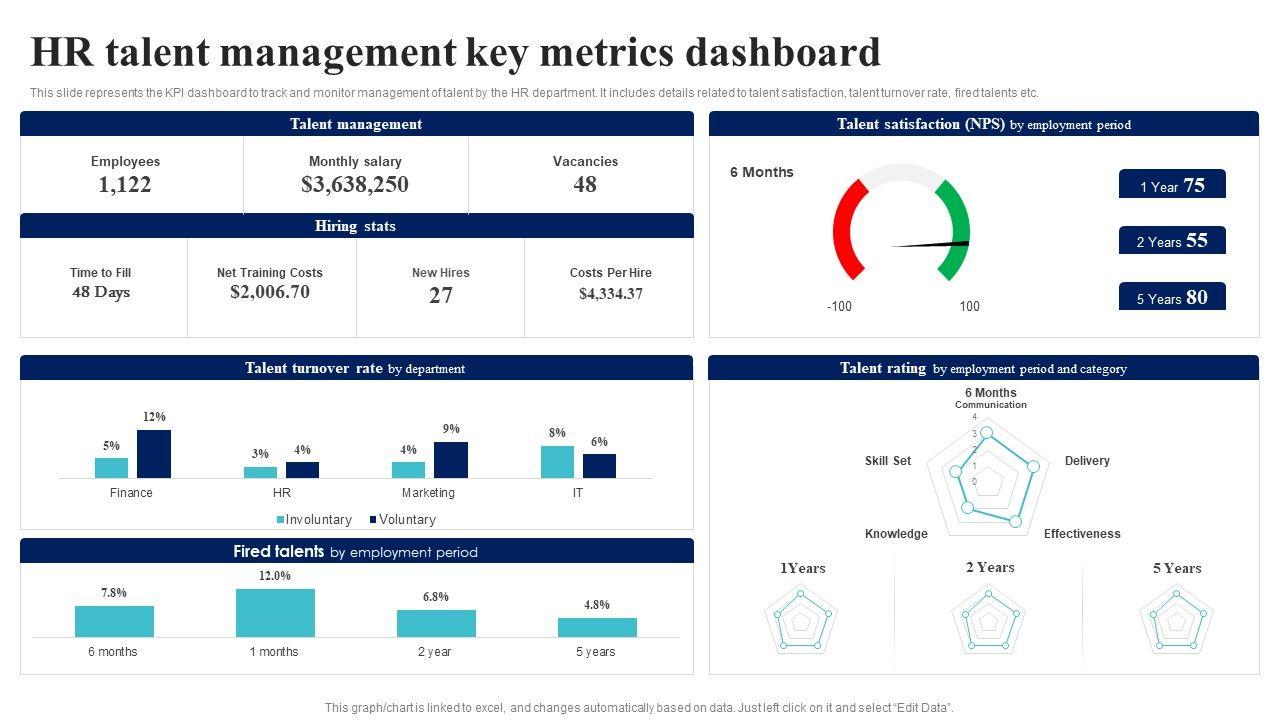
To effectively gauge the impact of talent development initiatives, organizations must focus on several key metrics that reflect both individual and collective growth. Start by examining the employee performance ratings, which provide insight into the effectiveness of training programs. Assessing employee engagement scores can also reveal how motivated participants are post-training; higher engagement often correlates with prosperous development. Additionally, tracking retention rates offers a glimpse into the long-term impact of your initiatives, as increased retention typically signifies satisfied and developed talent.
| Metric | Description | Importance |
|---|---|---|
| Performance Ratings | Quantitative measure of employee work quality | Evaluates effectiveness of training |
| Engagement Scores | Employee’s emotional commitment to their work | Indicates overall morale and satisfaction |
| Retention Rates | Percentage of employees remaining with the company | Reflects talent development success |
Moreover, companies should not overlook the importance of career progression metrics. By monitoring promotion rates, organizations can determine how successful their development programs are in preparing employees for advancement. Another vital metric is the ROI of training programs, which involves comparing training costs to the benefits gained. This analysis ensures that resources are allocated efficiently and effectively. By systematically measuring these components, businesses can cultivate a robust culture of growth and opportunity, ultimately driving performance and loyalty.
The Conclusion
As we draw the curtain on our exploration of management services in talent development, it becomes clear that nurturing the potential within individuals is not merely an option but a necessity in today’s competitive landscape. The art of talent development harmonizes skill enhancement with personal growth, fostering environments where innovation thrives and teams flourish. As organizations navigate the ever-evolving marketplace, investing in the development of their greatest asset—their people—will be the cornerstone of sustainable success. In closing, the journey toward effective talent development is ongoing, requiring a blend of vision, strategy, and commitment. As we move forward, let us embrace the challenges ahead with the understanding that every investment in talent is, ultimately, an investment in the future of our organizations. With the right management services in place, the possibilities for growth and achievement are boundless.